24/7 Emergency Line Open
Home › Services › Gas Line Installation & Repair
Emergency Gas Line Repair and Hookups | Safe Repair, Hookup and Testing for Levittown, PA Homes
Gas is the one plumbing emergency that asks you to leave the building first and call second. After the area is safe, plumbers sent from this line find the leak, repair or replace the line, hook up appliances and pressure test the work before it is used.
Call (833) 840-2034- Licensed and insured plumbers
- Same-day service when available
- 24/7 emergency dispatch
Gas leak: what to do first
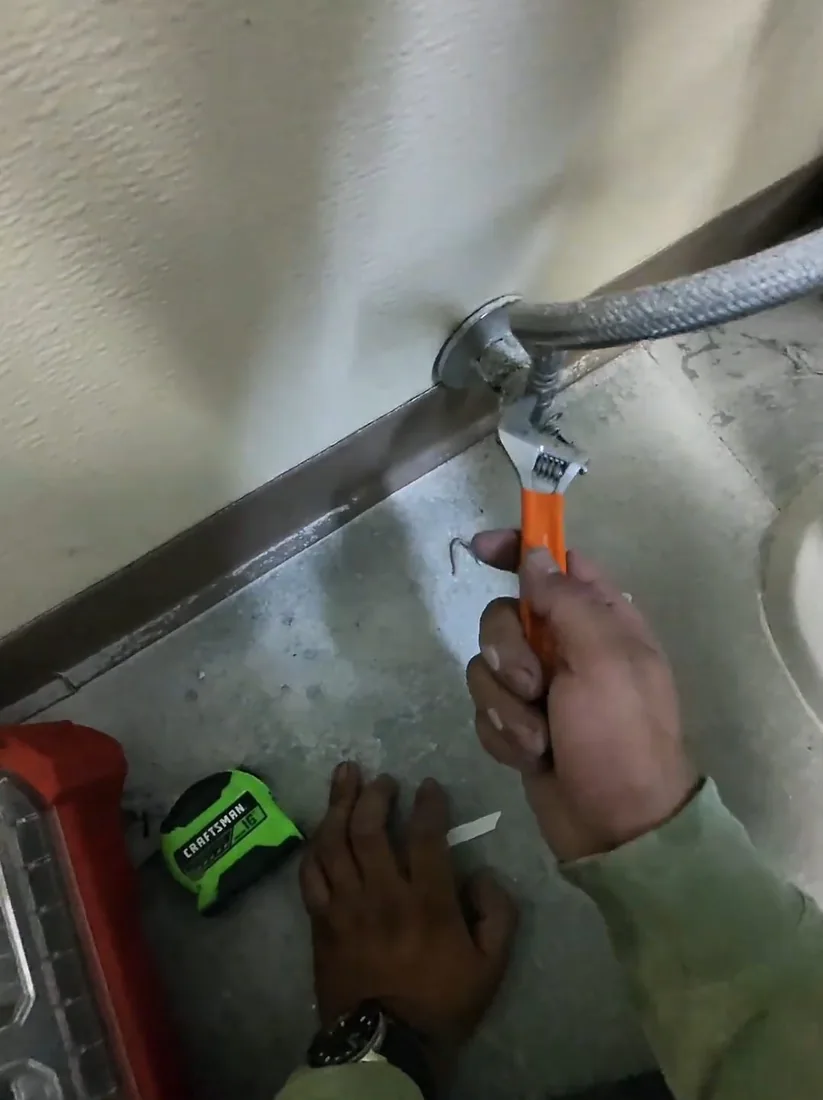
The smell of gas, a hissing sound near a pipe or an appliance, or a pilot that keeps going out are all reasons to act at once. Do not look for the leak. Get out, and let the utility and the emergency services make the space safe.
- Leave the house with everyone, and leave the door open if you can do so quickly.
- Do not use switches, lighters, phones or appliances inside.
- From a safe distance, call 911 or the gas utility.
- Stay out until you are told it is safe.
- Call a plumber afterward to find and repair the line.
Gas line repair after the area is safe
Once the utility has cleared the building, the plumber finds the source. Leaks come from worn fittings, corroded pipe, a damaged flexible connector or a joint that has loosened. A plumber shuts the gas at the appliance or the meter, locates the leak with a detector or a bubble solution, and makes the repair.
| Where gas escapes | Why it happens | What the repair is |
|---|---|---|
| Threaded joint on black iron | Thread sealant dried out or the joint loosened | Remake the joint with new sealant rated for gas |
| Flexible appliance connector | Kinked, corroded or past its service life | Replace the connector and retest |
| Appliance shutoff valve | Worn stem or seat that no longer seals | Replace the valve |
| Buried or hidden pipe | Corrosion, shifting ground or past damage | Cut out the section and run new pipe |
| Regulator or meter fitting | Utility equipment | Reported to the gas utility, not repaired by a plumber |
Once the repair is made, the gas piping is tested under pressure so each joint is proven tight before gas goes back on. A line is not returned to service on a visual check alone. A fix made on a hunch, without a test, is not finished, which is why a plumber keeps the gauge on the line and watches it for a drop before the gas is turned back on.
Smell gas? Leave first, then call
Once you are outside and safe, call the dispatcher for the repair. For a smell or a hiss, call 911 or the gas utility first.
Call (833) 840-2034 Contact details ›Gas line installation: new lines and extensions
A new gas line serves a range, a dryer, a fireplace, a grill or a generator. The plumber plans the route, sizes the pipe for the total load, installs a shutoff at each appliance and tests the line. The size of the pipe matters, because a line that is too small starves the appliance at the moment it needs the most gas.
A buried run needs a PA One Call ticket filed ahead of the dig, which gives the utilities time to mark their lines before any work begins.
Source: PA One Call (811).
Pipe replacement: black iron and flexible tubing
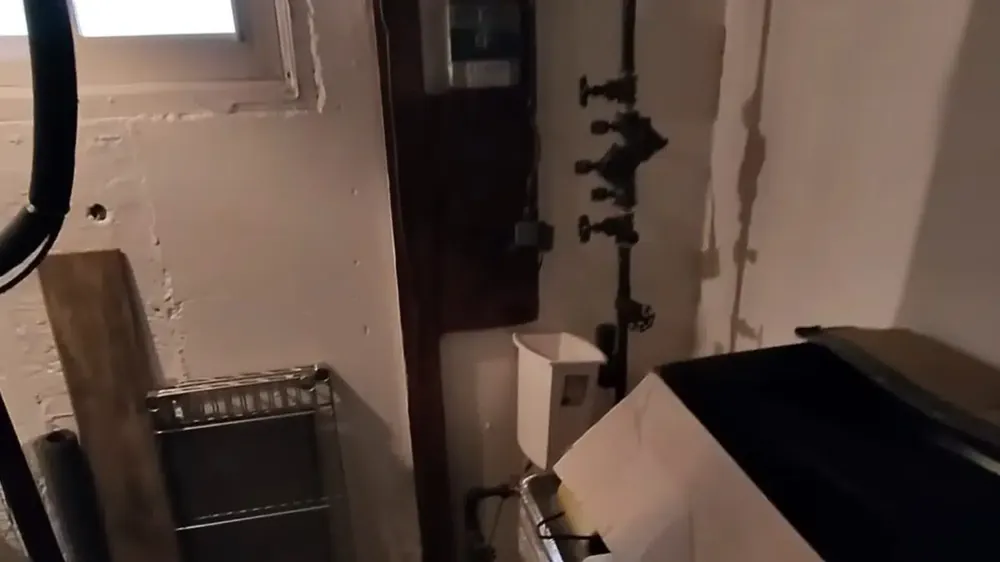
Gas piping is usually black iron for rigid runs or coated flexible tubing, often called CSST, for runs that need to bend. Black iron suits straight runs and is threaded at the joints. Flexible tubing is quick to route through walls but needs proper bonding and fittings. A plumber chooses the material from the route, the load and the code, and replaces any run that shows corrosion, kinks or damaged fittings. Pipe sizing follows the total demand of every appliance on the run, so adding a range, a dryer or a fireplace to an existing line may mean upsizing part of it. Leaving that step out is how a new appliance ends up starved of gas on the coldest evening of the year.
Appliance hookups, propane and inspection
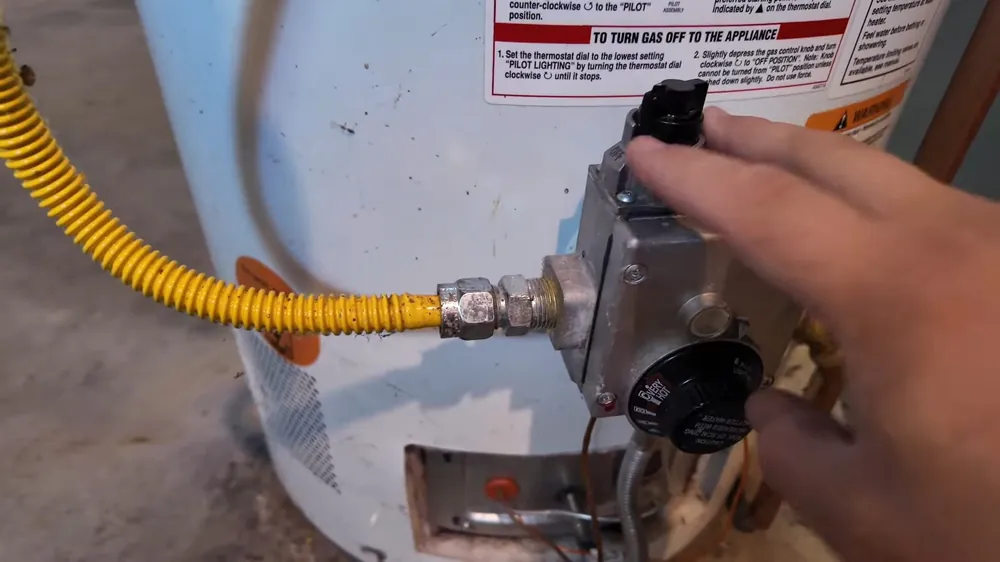
Connecting an appliance is more than twisting on a hose. The plumber checks the shutoff, fits the right connector, tests the joints and confirms the flame. Propane appliances use different regulators and orifices than natural gas, so a unit must be set up for the fuel it will burn.
- A shutoff valve within reach of each appliance
- A connector rated for the appliance and the fuel
- A leak test on every joint after hookup
- A check of the flame color and the vent
- A pressure test of the whole run for new or changed lines
A water heater needs a gas connection too, and the water heater installation page covers that appliance as a whole.
Need a gas line run or checked?
Give the dispatcher the appliance and the location. A plumber confirms what the job needs before the visit.
Call (833) 840-2034 Contact details ›Emergency and same-day gas work
Licensed and insured plumbers serving your area take gas calls at any hour. A reported smell goes to 911 or the utility first, and the plumber follows once the building is safe. A repair, a shutoff or a hookup can be booked for the same day when a plumber is available.
Some jobs are not urgent but should not wait. A stove that lights slowly, a dryer that smells faintly when it runs, a flexible connector that has gone stiff or a shutoff that will not turn all belong in the same category. They are early warnings of the leak they can lead to. Book them for the next open slot and keep the appliance off until a plumber has looked at it.
Gas line questions
Do I need a permit to cap a gas line?
Capping a gas line is gas work, and many municipalities require a permit and an inspection for it. The rules differ between Bristol Township, Bensalem and Philadelphia, so confirm with the local building office before the work starts. A plumber can tell you who pulls the permit. Never cap a line yourself, because a bad cap can leak gas into the house.
What should I do if I smell gas?
Leave the house right away with everyone inside, and do not switch lights, appliances or phones on the way out. From a safe distance, call 911 or the gas utility. Do not go back inside until you are cleared. Do not try to find the source yourself. After the utility has made the area safe, call a plumber to repair the line.
Who installs gas lines for a stove or dryer?
A plumber who is licensed for gas work runs the line, fits the shutoff, connects the appliance and tests the joints. Many towns require a permit and an inspection for a new gas line. Do not connect a gas appliance yourself, because a loose fitting is a leak you cannot see and may not smell until it has built up.
Book a gas line plumber
Repair, new line or pressure test, one call books it. If you smell gas, leave first.
Call (833) 840-2034 Contact details ›- Licensed and insured plumbers
- Same-day service when available
- 24/7 emergency dispatch