24/7 Emergency Line Open
Home › Services › Faucet, Toilet & Fixture Repair
Toilet, Faucet and Fixture Plumbing | Repairs, Swaps and Installs for Levittown, PA Homes
A dripping faucet, a toilet that will not stop running and a shower that will not shut off are small problems that waste water every hour. Plumbers sent from this line repair and replace the fixture, the valve behind it and the supply line under it in one visit.
Call (833) 840-2034- Licensed and insured plumbers
- Same-day service when available
- 24/7 emergency dispatch
Toilet repair
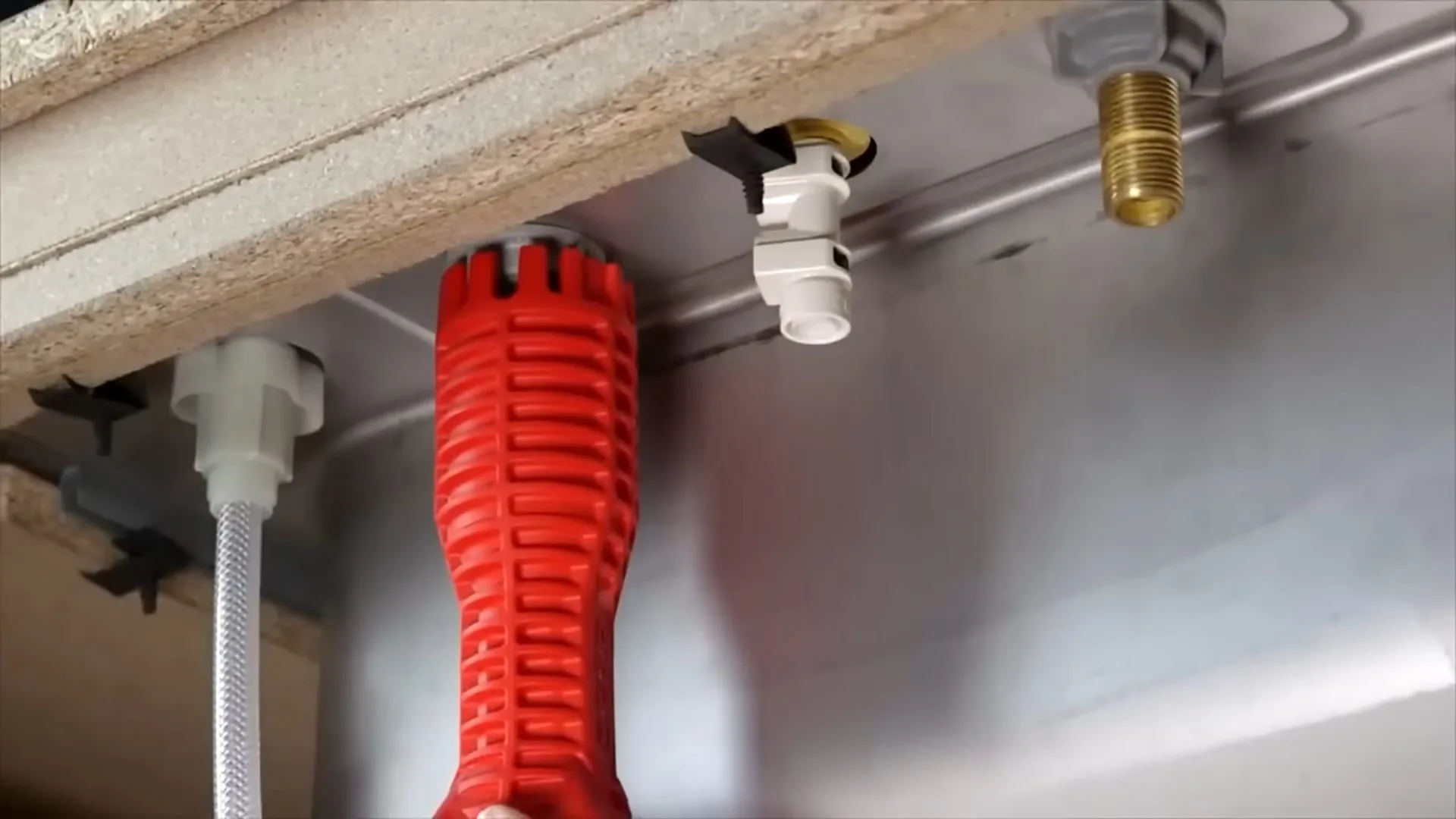
A toilet has a short list of parts, and nearly every complaint traces back to one of them. A plumber lifts the tank lid, watches what the water does and replaces the worn part instead of the whole toilet.
| What you notice | Likely part | What the plumber does |
|---|---|---|
| Water runs after the flush | Flapper or fill valve | Replace the flapper or valve and reset the float |
| Handle is loose or stuck | Handle arm or chain | Refit the handle and adjust the chain |
| Weak flush | Clogged rim holes or a low water level | Clear the holes and set the level |
| Rocking or a wet floor at the base | Seal or flange problem | Reset the toilet with a new seal |
| Water at the supply connection | Shutoff valve or supply line | Replace the line or valve |
Running toilets waste water all day and night without a sound that most people notice. A flapper is quick to replace, so the repair is worth doing as soon as you see the symptom.
Faucet repair
Most faucet trouble is a worn washer, cartridge or O-ring, and the repair is to replace the part, not the faucet. A drip at the spout points at the seat or cartridge. A leak at the handle points at an O-ring or packing nut. Low flow often means a clogged aerator or screen, which can be cleaned in minutes.
When the faucet body is corroded, discontinued or worn through, replacement is the better move. A plumber tells you honestly which case you have. For a kitchen or bath faucet that is more than a few parts away from working again, a new faucet saves a second visit.
Kitchen sink problems
The kitchen sink combines a faucet, a drain, a supply and often a disposal and a dishwasher connection. That is a lot of joints in a small cabinet, and slow leaks under the sink damage the cabinet floor before anyone sees them.
- A wet cabinet floor or a musty smell under the sink
- A sprayer hose that drips or will not retract
- Low flow from the faucet only
- A drain that gurgles or drains slowly
- Supply lines that are bulging, corroded or weeping
The plumber checks the supply lines, the trap and the drain connections, replaces what is worn and dries the cabinet. If the disposal is the source, the garbage disposal page covers it.
Fixture leaking or running?
Tell the dispatcher which fixture and what it is doing. A plumber brings the usual parts for the repair.
Call (833) 840-2034 Contact details ›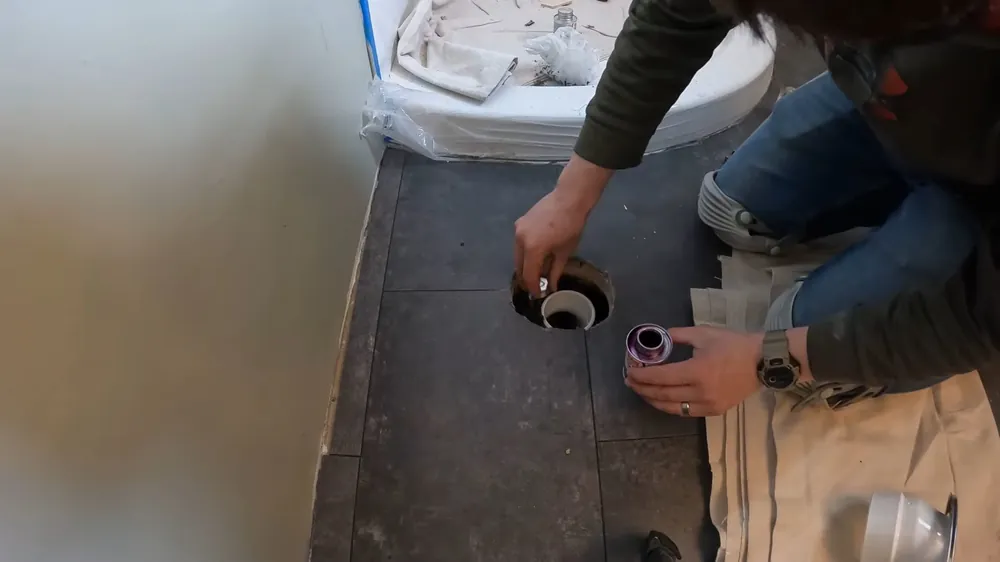
Toilet install and replacement
A new toilet is more than lifting out the old one. The plumber shuts off and drains the toilet, removes it, inspects the flange and the floor, fits a new seal, sets the new toilet level and tests the flush. A flange that is cracked or sits too low is repaired first, because a new toilet set on a bad flange leaks. Replacement also gives the chance to swap the supply line and the shutoff, which are small parts that fail without notice. Dual-flush and elongated bowls fit most layouts, though a tight bathroom may limit the choice.
Bathtub and tub problems
Tubs fail at the drain, the overflow, the spout and the valve behind the wall. A slow drain is usually hair in the stopper or trap. A drip from the spout is a worn cartridge. A wet wall or ceiling beneath the tub points at a leaking drain connection or a failed overflow gasket.
When a tub overflow or drain leaks, the plumber may open the access panel or a small section of wall to reach it, and repairs only what is damaged. Tub-to-shower conversions and the plumbing behind them are specialty installs that need their own planning.
Shower valve, head and leak
A shower valve controls both the temperature and the flow, so when it wears the signs are clear. The water will not shut off, turns scalding or cold without warning, or drips from the head long after the handle is closed.
- Replace the cartridge, which is the usual fix for drips and temperature swings
- Swap the shower head or the arm if the leak is at the threads
- Open the access panel and repair a leaking line if the wall is wet
- Install a new valve when the body is corroded or cracked
A shower that runs when it should be off is the first thing to deal with, and the shutoff for the bathroom or the house stops it until the plumber arrives.
Shower or tub misbehaving?
Describe what the valve, drain or spout is doing, and the dispatcher books a plumber for the repair.
Call (833) 840-2034 Contact details ›Bathroom sink and vanity
A bathroom sink has a small trap, a pop-up drain, two supply lines and a faucet, all in a cabinet that often holds towels and cleaning supplies. A slow drain, a drip under the vanity or a faucet that sprays sideways are the usual complaints. The plumber cleans or replaces the pop-up, tightens or replaces the trap and the supply lines, and swaps the faucet when repair is not enough. A vanity swap during a remodel starts with the rough-in plumbing, which is where drain and supply positions are set before the new cabinet goes in.
Shutoff valves, supply lines and the small parts
Under every sink and behind every toilet sits a shutoff valve and a supply line. They are small, they age, and they are the first parts to fail when a leak starts. Replace a valve that weeps or will not turn, and swap old braided or plastic supply lines for new ones when the fixture is serviced.
The same visit often covers a running or clogged toilet, a cracked outdoor hose bib, a bidet hookup or a washer, dishwasher or ice maker connection. Mention them when you call. Larger jobs such as moving a toilet, adding a wet bar or plumbing a laundry room are planned as installs with their own rough-in.
Faucet, toilet and fixture questions
Can you repair or install a toilet, and what does the visit involve?
Yes to both. For a repair, the plumber lifts the tank lid, checks the fill valve, flapper and flush handle, and replaces the part that has worn out. For an install, the old toilet comes up, the flange and floor are checked, a new wax ring or seal goes down, and the new toilet is set, leveled, bolted and tested for leaks. Tell the dispatcher which toilet you have so the right parts come along.
What makes a toilet keep running?
Most of the time the flapper at the bottom of the tank no longer seals, so water seeps into the bowl and the fill valve keeps topping up the tank. Other causes are a fill valve that will not shut off, a chain that is too short or too long, and a float set too high so water spills into the overflow tube. A running toilet wastes water around the clock, so it is worth fixing soon.
My toilet shut-off valve is leaking. Can it be replaced?
Yes. The small valve on the wall or floor behind the toilet can wear out and weep at the stem or the connection. A plumber closes the house supply if the valve will not close, swaps the valve and the supply line, and tests for drips. Do not keep turning a leaking valve with force, because the stem can snap and leave you without a way to stop the water.
The shower will not shut off. What should I do?
Close the nearest shutoff for the bathroom or the main shutoff for the house so the water stops running. A shower that will not close usually has a worn cartridge or valve stem, and the cartridge can be replaced without opening the whole wall in many cases. Call a plumber the same day if you cannot stop the water, because it runs into the drain and onto the bill until it is fixed.
Get the fixture fixed
Repair, swap or install, one call books it.
Call (833) 840-2034 Contact details ›- Licensed and insured plumbers
- Same-day service when available
- 24/7 emergency dispatch